Investing in today’s scientists for tomorrow’s breakthroughs
Our vision is a healthier world where all people have access to innovative,
life-changing medicines.

PhRMA Foundation Grants $950K in 2024 Awards
The PhRMA Foundation provided awards to 11 early-career scientists conducting translational medicine and value assessment and health outcomes research.

Research Areas
The PhRMA Foundation funds researchers working on the frontiers of variety of disciplines that impact patient health.
News
Read the latest news from the PhRMA Foundation blog.

Application Advice From a Reviewer: Show You’re a Future Leader
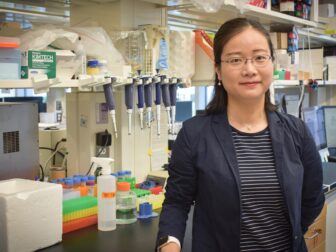
Supporting New Faculty With Critical Early Research Funding
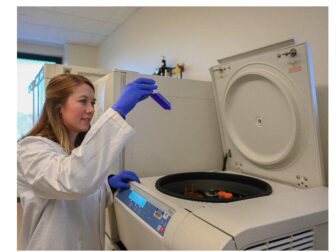
Program Updates for the 2025 Application Cycle
Awardee Spotlight

Ding Quan (Quinton) Ng
- University of California, Irvine
“I am very honored to receive the prestigious PhRMA Foundation Predoctoral Fellowship. It has provided the confidence to pursue independent research in improving cancer-related health outcomes, specifically in cancer survivorship and supportive care.”
Grants & Fellowships
The PhRMA Foundation catalyzes the careers of promising researchers through competitive, peer-reviewed grants and fellowships.
Predoctoral Fellowships
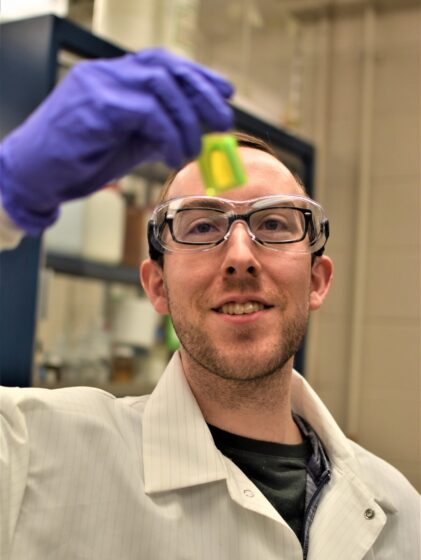
PhRMA Foundation Predoctoral Fellowships provide up to two years in stipend support for full-time graduate students who are engaged in thesis research and have completed most of their pre-thesis requirements.
Postdoctoral Fellowships
PhRMA Foundation Postdoctoral Fellowships provide up to two years of stipend support to promising postdoctoral trainees who seek to further develop and refine their research skills.

Faculty Starter Grants
PhRMA Foundation Faculty Starter Grants provide support to promising young scientists beginning independent research careers at the faculty level.
Special Awards
The PhRMA Foundation periodically offers special funding opportunities to address specific research questions or topics of interest.
Supporters
The PhRMA Foundation owes its success to the pharmaceutical companies that have provided generous support over the past 60 years.